 Posted by
If you landed here, you’re probably wondering one thing.
Is Arturia Analog Lab 5.12.2.6463 actually useful, or is it just a demo for bigger synths?
I had the same question when I first installed it. I didn’t want ten separate synths. I wanted good sounds, fast.
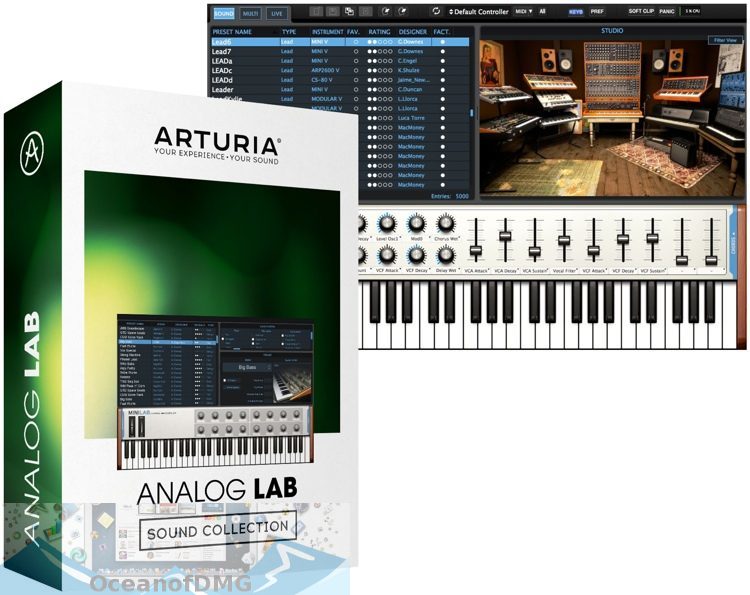
Version 5.12.2.6463 sticks to that idea. It’s about access, not complexity. You open it, scroll presets, play, move on.
What Is Arturia Analog Lab?
Arturia Analog Lab is a preset-based instrument that pulls sounds from Arturia’s classic synth collection.
You get:
- Thousands of presets
- Sounds from vintage and digital synths
- A single browser instead of many plugins
- Simple controls instead of deep editing
I often use it when sketching ideas. No setup, no sound design rabbit hole.
Is Arturia Analog Lab Worth It?
That depends on how you work.
If you:
- Want fast inspiration
- Like browsing presets
- Don’t enjoy deep synth programming
Then yes, it earns its place.
If you love tweaking every oscillator and filter, you’ll feel limited. That’s when V Collection makes more sense.
Arturia Analog Lab vs V Collection (Honest Take)
This question comes up everywhere.
Analog Lab
- Preset focused
- Lightweight setup
- Limited controls
- Faster workflow
V Collection
- Full synth engines
- Full editing
- Heavier system use
- More learning time
I use Analog Lab for writing. V Collection comes out when I need custom sounds.
Arturia Analog Lab System Requirements (Realistic View)
Minimum
- Windows 10 or macOS 11
- 8GB RAM
- Modern CPU
- SSD recommended
Better experience
- 16GB RAM
- Dedicated audio interface
- MIDI controller
Analog Lab runs smoother than full synth plugins, but layered presets still need power.
Center Section: How Analog Lab 5.12.2.6463 Feels in Daily Use
Most articles list features and stop. That doesn’t help when you’re actually using the software.
When I open Arturia Analog Lab 5.12.2.6463, the browser is the star. Tags, categories, and character filters work fast.
Preset Browsing That Makes Sense
You can search by:
- Instrument type
- Mood
- Style
- Sound character
I usually start with “Bass” or “Pad” and filter by mood. It saves time when inspiration fades quickly.
Macro Controls That Matter
You don’t get deep editing, but the macros aren’t random.
Common controls include:
- Filter movement
- Envelope shape
- Brightness
- Space and modulation
They’re mapped well enough to shape sounds without breaking them.
MIDI Mapping Is Simple
Analog Lab shines with Arturia controllers, but manual MIDI mapping works fine.
I mapped knobs on a basic controller in under five minutes. No menu hunting.
CPU Usage in Real Projects
On older systems, stacked presets can push CPU.
Quick fixes:
- Disable unused effects
- Lower quality mode
- Avoid layered presets when tracking
That alone keeps sessions smooth.
Standalone vs Plugin Mode
Standalone
- Practice
- Sound browsing
- Live play
Plugin
- Song writing
- Automation
- Mixing
I treat standalone like a sound catalog. Plugin mode is where real work happens.
Common Problems and Easy Fixes
Analog Lab Not Showing Presets
This usually means:
- Missing synth licenses
- Content path not synced
Re-sync libraries in Arturia Software Center. It fixes most cases.
MIDI Controller Not Responding
Check:
- MIDI input selection
- Controller template
- DAW MIDI settings
Most issues come from the DAW, not Analog Lab.
Who Should Use Arturia Analog Lab?
It fits best for:
- Beginners learning synthesis
- Producers who want speed
- Live performers
- Songwriters needing instant sounds
It’s not trying to replace full synths. It’s trying to save time.
1. Does Arturia Analog Lab include full synth editing?
Short answer: No.
Analog Lab lets you tweak mapped controls, but full synth editing needs V Collection.
You still get useful macros, filters, envelopes, and effects, which is enough for many users.
2. Why are some presets locked in Analog Lab?
Short answer: Those presets need the related synth installed.
Without the synth, you can preview but not fully load them.
3. Can Analog Lab work without a MIDI keyboard?
Short answer: Yes.
You can use your mouse or computer keyboard, though a MIDI controller feels better.
4. Why does Analog Lab use high CPU on older systems?
Short answer: Large layered presets and effects cause it.
Lowering quality and disabling unused effects helps immediately.
5. Is Analog Lab better as a plugin or standalone?
Short answer: Plugin mode works best for production.
Standalone is fine for browsing sounds or live play.
One comment