If you searched for Auto-Tune EFX 10, you’re likely trying to shape vocals quickly. Maybe you want that modern sound. Maybe you want robotic hooks. Or maybe you just want vocals to sit better without spending an hour tuning notes.
I’ve used Auto-Tune in different forms for years, from heavy studio editing to fast demo sessions. EFX 10 fits a very specific role, and once you understand it, things click.
Let’s talk honestly about what it does and where it fits.
What Auto-Tune EFX 10 Actually Does
Auto-Tune EFX 10 is a real-time vocal effect plugin. It’s built for speed, not detailed manual correction.
You get:
- Real-time pitch correction
- Built-in vocal effects
- Fast sound shaping for hooks and ideas
This plugin focuses on feel, not precision editing.
How Auto-Tune EFX 10 Feels in Daily Use
Here’s how I use it most days.
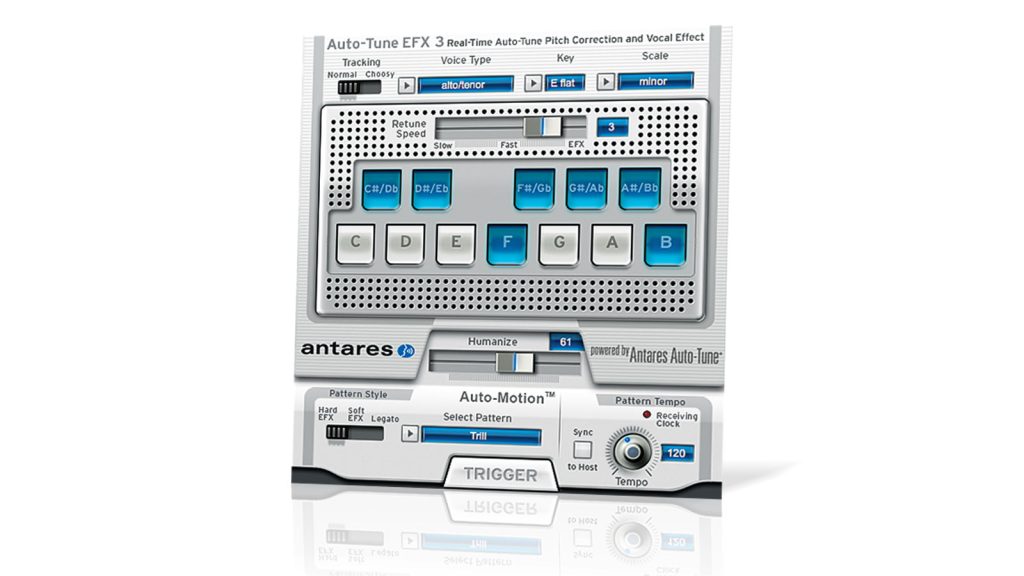
I load it on a vocal track while recording ideas. I choose the scale note center, adjust the retune speed, and start recording. The singer hears the effect live. That changes performance energy instantly.
That’s the real strength here.
What Changed in Auto-Tune EFX 10
Version 10 didn’t overload the plugin with menus.
From hands-on use:
- Cleaner interface
- Better preset organization
- Smoother live response
- Easier setup for new users
Earlier versions felt cluttered. This one feels calmer.
Auto-Tune EFX 10 for Beginners (0 KD Explained)
If you’re new to vocal plugins, this version won’t confuse you.
You don’t need:
- Music theory knowledge
- Manual pitch drawing
- Advanced editing skills
You just:
- Choose the vocal scale
- Adjust retune speed
- Add effects if needed
It’s friendly without feeling limited.
Auto-Tune EFX 10 in FL Studio (0 KD Explained)
It works well in FL Studio.
Typical setup:
- Load Auto-Tune EFX on the vocal mixer channel
- Set the correct vocal range
- Choose the scale center
- Adjust retune speed
Once set, it stays stable.
Common Problems and Easy Fixes
No Effect on Vocals
This happens a lot.
Cause:
Wrong scale or vocal range selection.
Fix:
Set the correct vocal type and scale center.
Noticeable Delay While Recording
This usually comes from buffer size.
Fix:
Lower buffer size or enable low-latency mode.
Plugin Loads but No Sound
Most times, it’s routing.
Fix:
Check that the vocal track input is active and monitoring is enabled.
Is Auto-Tune EFX 10 Worth Using?
From real use, yes, if:
- You want fast vocal effects
- You record ideas often
- You like hearing effects live
Maybe not, if:
- You want deep pitch editing
- You prefer drawing notes manually
This plugin is about speed and vibe.
Personal Take From Sessions
I don’t mix final vocals with EFX 10 every time. But during writing sessions, it stays loaded. It helps singers perform better and keeps creativity flowing.
That’s why it still gets searched.
Q1: Is Auto-Tune EFX 10 good for beginners?
Yes. It’s one of the easiest Auto-Tune plugins to understand, especially for live vocal effects.
Q2: Why does Auto-Tune EFX 10 add delay to my vocals?
Latency usually comes from buffer size settings or running the plugin in low-latency mode incorrectly.
Q3: Does Auto-Tune EFX 10 work with FL Studio?
Yes. It runs smoothly in FL Studio when loaded as a VST on a vocal channel.
Q4: Why can’t I hear any effect from Auto-Tune EFX?
Most of the time, the vocal input routing or scale selection is wrong.