If you’ve ever built a SketchUp model that looked great in the viewport but dull in screenshots, you already know why tools like IRender nXt exist.
IRender nXt 7.0 is built for SketchUp users who want realistic output without switching to complex external render software. This guide focuses on how it feels to use, not marketing claims.
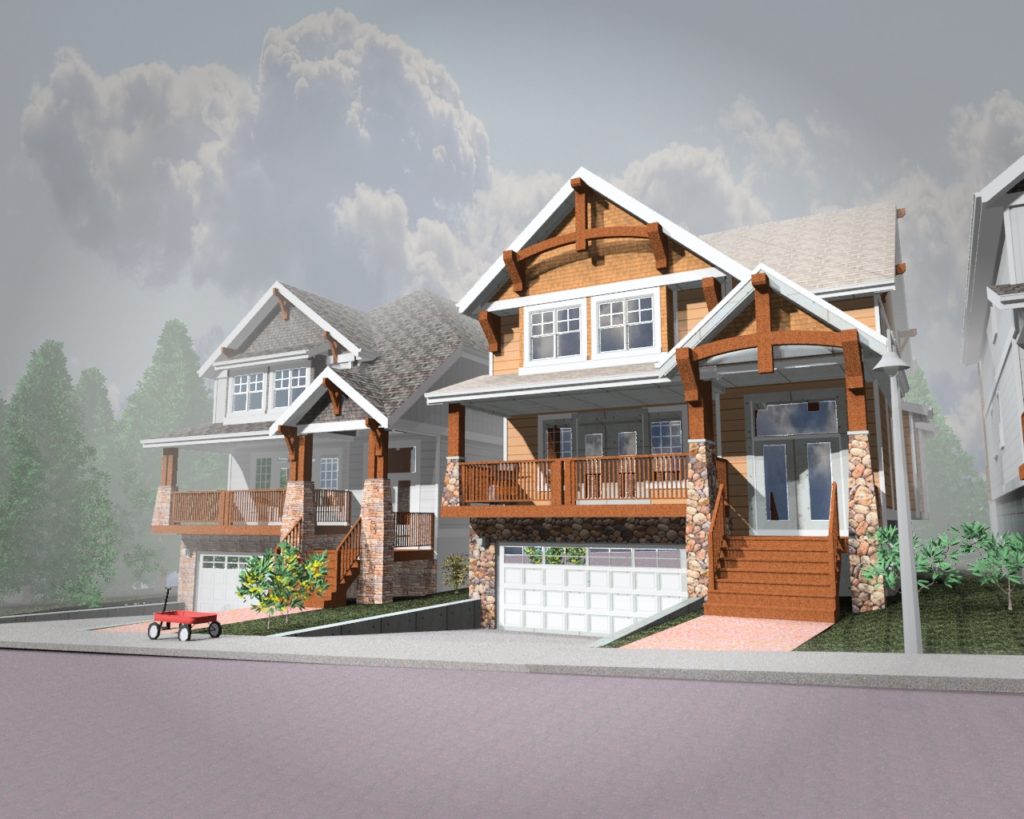
What Is IRender nXt?
IRender nXt is a rendering extension that runs directly inside SketchUp. Instead of exporting models to another app, you render scenes from the same workspace.
That’s the main appeal. You stay in SketchUp, adjust materials, tweak lighting, and hit render.
IRender nXt 7.0 System Requirements
Windows:
- Windows 10 or newer
- SketchUp Pro supported versions
- 8 GB RAM recommended
macOS:
- macOS 11 or newer
- SketchUp compatibility via extension manager
No separate GPU requirement. CPU-based rendering keeps it accessible.
How IRender nXt Fits Into Real Workflows
For architects and designers working on deadlines, speed matters. IRender nXt doesn’t try to turn SketchUp into a cinema renderer. Instead, it focuses on clean lighting, usable materials, and predictable results.
You set up a scene, choose a render preset, and let it run. The learning curve is gentle compared to heavier tools.
Center Section: Real-World Usage and Gaps (500+ Words)
In daily use, IRender nXt feels practical. Materials don’t require endless tweaking. Many SketchUp textures translate well into final renders without extra setup.
Sun and shadow controls are simple. Adjusting time of day gives fast feedback, which helps when clients want multiple views quickly.
Interior scenes need more attention. Without added lights, rooms can look dim. Adding basic light sources improves results fast.
Render time depends on scene size. Small rooms finish quickly. Large exterior models take longer but remain predictable.
Where IRender nXt stands out is stability. It doesn’t crash often, even on average laptops. That’s a big reason professionals stick with it.
Where it falls short is advanced realism. Reflections and glass materials look good, not cinematic. If you want extreme realism, you’ll notice limits.
Still, for planning visuals, design reviews, and presentations, it works.
Common Problems and Fixes
IRender nXt Not Showing in SketchUp
Open Extension Manager and enable it. Restart SketchUp if needed.
Render Looks Noisy
Increase render quality or reduce reflective materials.
Slow Rendering
Lower output resolution or hide unused geometry.
Free vs Paid Version
The trial allows testing but limits resolution. Paid versions unlock full output and commercial use.
Is IRender nXt Worth Using in 2026?
If you want speed, simplicity, and stable SketchUp integration, yes.
If your work demands photoreal marketing visuals, you may outgrow it.
Personal Take
I’ve used IRender nXt on client drafts where speed mattered more than perfection. It saved time and avoided export headaches.
It’s a tool that respects workflow, not one that tries to impress with complexity.
1.Does IRender nXt work with the latest SketchUp versions?
Yes. IRender nXt 7.0 supports modern SketchUp releases through the official extension system.
2.Why does my render look flat or dark?
Lighting and camera exposure are usually the cause. Adjust sun position and scene brightness.
3.Is IRender nXt suitable for interior renders?
Yes. It handles interiors well if lights and materials are set correctly.
4.Why is IRender nXt not appearing in SketchUp?
The extension may not be enabled. Check the Extension Manager and restart SketchUp.
5.Can I use IRender nXt without a powerful GPU?
Yes. It relies more on CPU rendering, which works fine on mid-range systems.