If you’re here because you want to know what Sausage Fattener version 1.4.1 actually does — and how to use it without guessing — you’re in the right place.
I first downloaded Sausage Fattener when I was struggling to get bass and kick to cut through cheap monitors. Hours of tweaking EQ and compression felt fruitless. Then someone suggested this tiny plugin — and suddenly there was presence I didn’t expect.
That’s why it’s stuck around in so many producers’ libraries.
Version 1.4.1 is the current official release. It’s not flashy, it doesn’t have thousands of controls, and it hasn’t been updated weekly for years — but the sound still works.
What Does Sausage Fattener Do?
At its heart, Sausage Fattener combines two simple ideas:
- Saturation — adding warmth or edge
- Compression — controlling and shaping dynamics
These work together to make a sound feel bigger without complicated settings.
When I first tried it on a drum loop, it didn’t distort harshly. It just added weight — that pleasing kind of thickening that’s hard to describe until you hear it.
That’s why people ask:
What does Sausage Fattener do?
It fattens sounds — literally.
How to Use Sausage Fattener
There’s a reason so many tutorials show the plugin on bass and drums:
- Kick drum: brings punch and weight
- Bassline: makes it feel fuller on small speakers
- Mix bus: adds subtle thickness when used gently
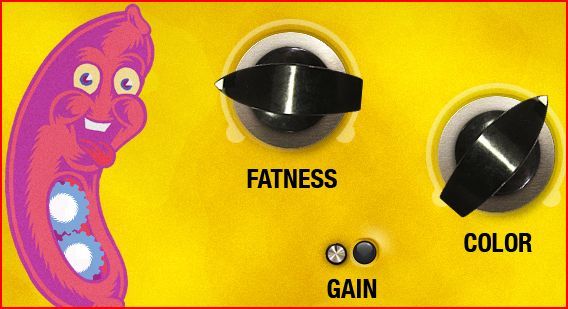
The interface is simple:
Two big knobs (often labelled Fatness and Gain).
Turn them up and listen. You’ll feel the change more than see it.
My tip?
Start low. Raise Fatness until the sound feels bigger, then bring Gain back so the overall level isn’t louder than before. That keeps the mix balanced.
Why It Can Sometimes Squash Your Sound
If you push both knobs too far, the plugin doesn’t just fatten — it crushes. That’s because it overlaps heavy compression with distortion.
That can make your low end feel muddy or washed out.
If your track suddenly loses clarity:
- Turn Fatness down
- Lower the output gain
- Maybe automate only part of the track
Widening the stereo image after fattener helps too.
Is Sausage Fattener Still Supported?
Version 1.4.1 is the latest official release. It hasn’t changed much in recent years — and that’s okay for what it does.
People still love it because:
- It’s light on CPU
- It loads fast
- It works in almost every DAW
You won’t find a newer official update past 1.4.1, but that doesn’t stop it from being useful today.
Can You Use It on Vocals?
Yes — but carefully.
On vocals it adds character and presence. Some folks use it to thicken a lead voice before parallel compression. Others avoid it there because it can make the performance too gritty.
Experiment. Trust your ears.
Why Producers Still Reach for It
When a tool has just two knobs and still shows up in high‑level mixes, you know it’s got staying power.
I’ve used it on:
- Trap 808 basses
- EDM hooks
- Lo‑fi guitars
- Drum buses
And each time it gave a recognisable weight that took longer to get with other tools.
That’s why even though version 1.4.1 is old, it still finds a home in new projects.
Q1: What does Sausage Fattener do?
Answer: Sausage Fattener is a plug‑in that combines simple saturation and compression to make sounds feel thicker and more presence‑filled, often used on bass, drums, and mixes.
Many producers reach for it when they want more energy without spending hours on settings.
Q2: Is Sausage Fattener version 1.4.1 still supported?
Answer: Yes — version 1.4.1 is the latest official build, and producers still use it widely because it’s stable and light on CPU.
It hasn’t had major updates in recent years, but that doesn’t stop it from sounding useful.
Q3: How do you use Sausage Fattener in a mix?
Answer: Place it on a track you want to “beef up,” like a kick or bass, then adjust the two main knobs until the sound feels more present. Start with small amounts.
There’s no “wrong” setting, but going too hard can make a mix muddy.
Q4: Why does Sausage Fattener seem to squash my sound?
Answer: The plugin intentionally blends compression with saturation. If you push it too far, it can feel squashed.
Reducing drive or output often brings back clarity.
Q5: Can Sausage Fattener be used on vocals?
Answer: Yes. Some producers use it on vocals for character, but it’s most popular on bass, kicks, and full mix buses.