If you’ve ever mixed vocals that felt sharp, cymbals that pierced your ears, or guitars that sounded fine alone but painful in a full mix, you already understand the problem Soothe VST tries to fix.
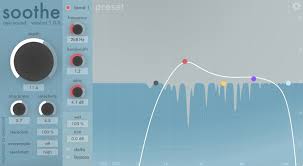
Soothe VST 1.3.3, isn’t another EQ or compressor pretending to be smart. It behaves more like a background assistant that listens constantly and gently calms down annoying frequencies before they ruin your mix.
I’ve used it on pop vocals, metal guitars, podcast voice tracks, and even full drum buses. The experience is usually the same: fewer harsh moments, less fatigue, and less time hunting for bad frequencies.
What Soothe VST Actually Does (Without the Technical Talk)
Soothe VST watches your audio in motion. Instead of cutting fixed frequencies, it reacts when harsh tones appear and relaxes when they disappear.
Think of it like this:
A normal EQ cuts even when the problem isn’t there.
Soothe only steps in when the problem shows up.
That difference alone saves time and keeps mixes sounding natural.
What’s New or Improved in Version 1.3.3
Version 1.3.3 didn’t reinvent the plugin, and that’s a good thing. Stability and performance are the focus here.
What users notice most:
- Smoother CPU handling on modern systems
- Better behavior in busy sessions
- Fewer random spikes during playback
- Improved compatibility with newer DAWs
In long mixing sessions, this version feels more predictable. No sudden glitches. No guessing if the plugin is overworking your system.
How It Feels to Use Soothe VST in Real Projects
On vocals, Soothe quietly removes that sharp “S” buildup and nasal bite without killing clarity. I usually place it after compression. One or two small adjustments and the vocal sits better right away.
On guitars, especially distorted ones, it stops the painful mid-range from jumping out when chords get busy.
On cymbals, it smooths the top end without turning everything dull. That’s where many EQs fail.
The best part? You don’t need to chase frequencies. You listen instead.
Soothe VST vs Dynamic EQ (The Practical Difference)
Dynamic EQs work well, but they demand effort. You have to find the bad frequency, set thresholds, and test again and again.
Soothe skips that step. It reacts across a wide range automatically.
Dynamic EQ works best when:
- You know exactly what frequency causes trouble
- You want tight control
Soothe works best when:
- Problems move around
- You want speed and consistency
Many engineers actually use both, depending on the task.
CPU Usage and Performance Reality
Yes, Soothe uses more CPU than a standard EQ. That’s expected.
What helps:
- Use it on buses instead of every track
- Freeze tracks when needed
- Avoid extreme settings
Version 1.3.3 feels more stable than older builds, especially on modern multi-core systems.
Who Soothe VST Is Best For
Soothe works well for:
- Vocal producers
- Mixing engineers
- Podcast editors
- Mastering engineers dealing with sharp mixes
It’s less useful if:
- You prefer full manual control
- You work on very low-power systems
- You rely only on basic EQ shaping
Real-Life Tip From Experience
The biggest mistake I see is overusing it. Light settings give the best result. If you hear the effect clearly, it’s probably too much.
Use it as a cleaner, not a fixer.
Does Soothe VST work in real time?
Yes, Soothe VST processes audio in real time with very low latency, making it safe to use during mixing and even tracking.
1.Is Soothe VST better than a dynamic EQ?
For resonance problems, yes. Soothe reacts automatically to problem frequencies, while a dynamic EQ needs manual setup.
2.Why does Soothe VST use a lot of CPU?
Soothe analyzes audio continuously across many frequency bands, which explains higher CPU use compared to basic EQ plugins.
3.Can beginners use Soothe VST easily?
Yes. Presets and automatic detection make it usable even if you don’t fully understand frequency theory.
4.Does Soothe VST change the tone of audio?
Used gently, no. Heavy settings can dull the sound, which is why subtle use works best.